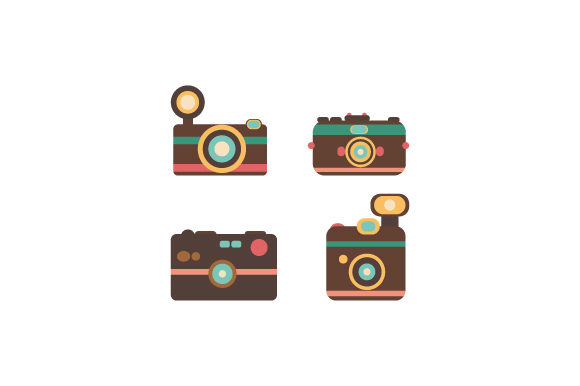
Retro Cameras Embroidery Design
As an embroidery designer and product reviewer, I’ve evaluated countless machine embroidery designs. Retro Cameras stands out for its nostalgic charm and versatility, but it’s not without its considerations. This design is perfect for custom apparel, handmade products, and personalized gifts, but it requires careful attention to detail and fabric compatibility. Let me walk through how it performs in real-life projects and what to keep in mind before using or selling it.
The First Impression: A Nostalgic Visual Statement
Retro Cameras immediately evokes a sense of vintage style. The design features a stylized camera with a retro aesthetic—think soft curves, classic lens shapes, and a warm, handcrafted feel. It’s not overly detailed, but the layout is clean and balanced, making it ideal for a variety of embroidery projects. The visual personality feels timeless, which is great for handmade products that aim to stand out without being too flashy.
The theme fits well with themes like travel, photography, and vintage decor. It could work as an embroidered patch, a tote bag design, or even a baby item with a subtle nod to nostalgia. The shape is compact enough for most hoop sizes, but it’s not so small that it feels cramped.
Real-World Use Cases: Where Retro Cameras Shines
One of the first projects I thought of was a custom embroidered tote bag for a local boutique. Retro Cameras would look great on a light-colored canvas tote, adding a unique touch that customers would find appealing. It also works well on sweatshirts, caps, and aprons—products that are frequently used and appreciated for their personalization.
For baby items, the design is gentle and not too busy. It could be used on onesies, blankets, or nurseries, offering a subtle yet meaningful design. As an applique design, it might require some adjustments, but the overall structure is suitable for stitching onto thicker fabrics or layered garments.
I also see potential in holiday or wedding gifts. A Retro Cameras embroidered pillow cover or tea towel could make a thoughtful, personalized present. For Etsy sellers and small shop owners, this design offers a strong visual appeal that can elevate a product listing and attract buyers looking for unique, handmade items.
Where to Be Cautious: Limitations and Challenges
While Retro Cameras is versatile, there are areas where it may not perform as well. Small hoop sizes could limit the design’s full potential, especially if the camera’s details are too fine. On textured fabrics, the stitch density might not show up as clearly, and thin or stretchy materials could cause distortion during stitching.
On dark fabrics, the design may not contrast well unless the thread color is carefully chosen. If you’re working with a layered garment or a curved surface like a cap, the design might need some adjustment to fit properly. Tiny lettering or intricate corners could become lost in the stitching, so it’s important to test it on scrap fabric first.
Dense stitch areas might lead to puckering or uneven results, especially on delicate materials. If you plan to use this as a printable mockup or digital product preview, ensure that the file format (SVG, PNG, EPS, DXF) supports your intended use.
Impact on Visual Appeal and Customer Perception
Retro Cameras adds a professional touch to any finished product. Its clean lines and nostalgic vibe can increase the perceived value of handmade items, making them more attractive to buyers. When used on custom apparel or personalized gifts, it helps build brand consistency and recognition, especially for businesses targeting a vintage or artisanal audience.
Customers often respond positively to designs that feel unique and meaningful. Retro Cameras has that quality—it’s not just a logo or a generic pattern. It tells a story, which can enhance the giftability and emotional connection of the product. For craft business owners, this design can help differentiate their offerings in a crowded market.
Practical Designer Notes: What to Check Before Using
Before committing to a project, always test the design on scrap fabric. This will help you assess how the stitch density looks and whether the thread colors contrast well with your chosen material. If you're using it for commercial embroidery, double-check the licensing terms to ensure you’re allowed to sell finished items or digital products.
Consider the stabilizer type—some fabrics may need extra support to prevent puckering. For intricate areas, review the stitch sequence to make sure it’s optimized for your machine. If you’re creating a printable mockup, test the design in black and white to see how it appears on different backgrounds.
Lastly, think about the end-use. Is this for a one-time gift, a retail product, or a digital download? Each application may require slight modifications to the original embroidery file. Always confirm the hoop size and file formats to avoid compatibility issues.
Final Thoughts: A Versatile Design with Thoughtful Considerations
Retro Cameras is a solid choice for embroidery designers and crafters looking for a nostalgic, adaptable design. It works well across a range of projects, from custom apparel to holiday gifts, but it requires some care to ensure the best results. With proper testing and attention to detail, this design can become a valuable asset for your craft business or personal projects.
Whether you’re an Etsy seller, a small shop owner, or a hobbyist, Retro Cameras offers a blend of style and functionality that can enhance your product lineup. Just remember to approach it with the same care and consideration you’d give any other embroidery file—and you’ll be rewarded with a finished product that stands out.