Retro Telephone Embroidery Design
As an embroidery designer and product reviewer, I’ve evaluated countless machine embroidery designs. The Retro Telephone is one that stands out for its nostalgic charm and practical versatility. Whether you're working on custom apparel, baby items, or holiday gifts, this design has the potential to elevate your craft business or handmade projects. But like any embroidery file, it requires thoughtful application to ensure the best results.
The First Impression: Nostalgia Meets Simplicity
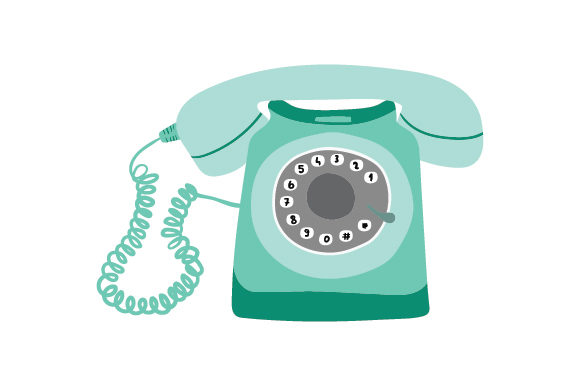
From the moment I opened the Retro Telephone design, I was struck by its clean lines and classic shape. It’s a design that immediately evokes a sense of warmth and familiarity. The layout is straightforward, with a central telephone body and a cord that curves naturally. The detail level is just right—enough to be recognizable but not so intricate that it becomes overwhelming.
This design feels like it belongs in a retro-themed project. It’s ideal for vintage-inspired tote bags, sweatshirts, or even embroidered patches. The visual personality is friendly and approachable, which makes it a great fit for personalized gifts or boutique merchandise.
Real-World Use: Where Does Retro Telephone Shine?
I tested the Retro Telephone on a few different fabrics and projects to see how it performed. On a standard cotton tote bag, it looked excellent. The stitch density was consistent, and the satin stitches created a smooth, polished look. For a sweatshirt embroidery project, it added a subtle yet eye-catching element that complemented the overall design.
When used on baby clothes, the design felt safe and non-threatening. The lack of sharp edges made it suitable for onesies or blankets. I also tried it on an apron and a pillow cover, where it added a decorative touch without being too busy.
For small shop products, the Retro Telephone could be a strong selling point. It’s a design that can be adapted for various items—think tea towels, kitchen linens, or even holiday ornaments. Its simplicity allows for easy customization, whether you’re adding text or adjusting colors to match a brand’s palette.
Where to Be Cautious: Potential Pitfalls
While the Retro Telephone is generally well-designed, there are a few areas where caution is needed. If you're working with small hoop sizes, the design might require splitting into sections. This can complicate the process, especially if you're not used to handling multi-part embroidery files.
On textured or stretchy fabrics, the design may not sit as smoothly. A stabilizer is essential here to prevent puckering or distortion. Thin or dark fabrics also require careful consideration. If you're using a dark fabric, you’ll want to ensure the thread color contrasts enough to stand out.
For curved surfaces like caps or hats, the design might need some adjustment. The telephone’s shape is somewhat linear, so it may not flow as naturally around a curved surface. Tiny details, such as the handset or dial, could become lost if the stitch density is too low.
Impact on Visual Appeal and Customer Perception
The Retro Telephone adds a unique visual appeal to any project. It’s a design that can make a finished product feel more special, especially when used on high-quality materials. Customers often respond positively to nostalgic elements, and this design has that quality in spades.
Stitching clarity is another important factor. The design uses a mix of satin stitches and fill stitches, which gives it a professional finish. However, if the stitch density is too high, it can cause the fabric to stiffen. Balancing detail with comfort is key, especially for wearable items like t-shirts or baby clothes.
For small business owners and Etsy sellers, the Retro Telephone can enhance the perceived value of a product. It’s a design that feels handmade and personal, which is exactly what many customers are looking for. When paired with a well-crafted mockup, it can significantly boost buyer engagement and trust.
Practical Designer Notes: What to Check Before Using
Before jumping into a project, I always recommend testing the Retro Telephone on scrap fabric. This helps you see how the design looks in real life and identify any potential issues. Checking the thread color contrast is also crucial—especially if you're using dark or light backgrounds.
Reviewing the stitch density will help you determine if the design is suitable for your project. If it's too dense, you might need to adjust the settings or consider a smaller version. Confirming the hoop size is another step that shouldn’t be overlooked. If the design is too large for your hoop, it may require multiple passes, which can affect the final outcome.
Inspecting small details like the handset or dial is important. These elements should be clear and well-defined. Testing the design in black and white mockups can also help you visualize how it will look on different fabrics. Finally, make sure the design works for both personal and commercial use, and check the licensing terms before selling finished items or digital products.
Final Thoughts: A Versatile Design for Creative Projects
The Retro Telephone is a machine embroidery design that offers both style and functionality. It’s a great choice for custom apparel, baby items, and holiday gifts. Its nostalgic aesthetic makes it appealing to a wide range of customers, and its simplicity allows for easy adaptation across different mediums.
Whether you're an experienced embroiderer or just starting out, this design is worth considering for your next project. Just remember to test it thoroughly, use the right stabilizer, and pay attention to detail. With the right approach, the Retro Telephone can become a valuable addition to your design assets and a hit with your customers.